Perimenopause can change your periods, sleep, mood and wellbeing. Learn the early symptoms, how it is assessed and when to see a gynaecologist in Singapore.



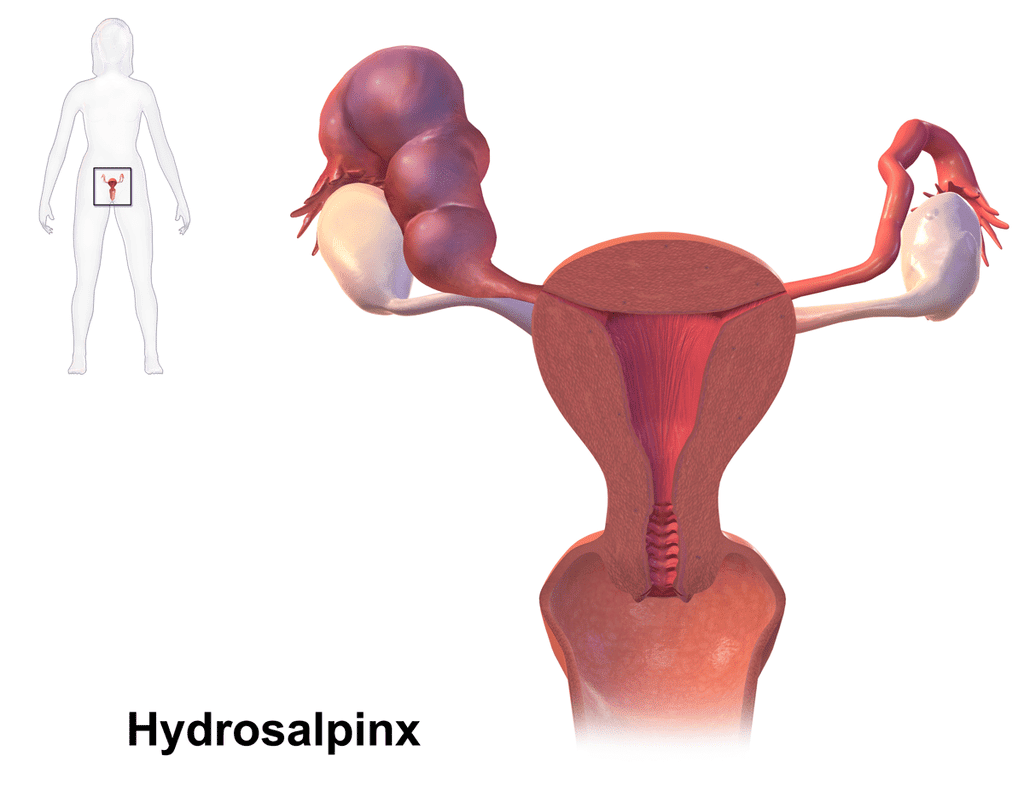
Hydrosalpinx is where the fallopian tube gets blocked and swollen with fluid. Every woman has 2 fallopian tubes (right and left) that are connected to the uterus. Every month after ovulation, the fallopian tube picks up the egg which then meets the sperm in the tube to be fertilised.
Some of the causes of hydrosalpinx include:
Most women do not have symptoms. Hydrosalpinx is commonly picked up incidentally i.e. when women are being investigated for other conditions e.g. fertility.
Hydrosalpinx can be picked up on transvaginal ultrasound scans if it is large enough. Other common ways of diagnosing hydrosalpinx include hysterosalpingogram (HSG), where a dye is injected into your uterus and it is seen to fill up a swollen fallopian tube on X-ray, and laparoscopy (keyhole surgery), where the swollen tube is directly visualised.
You may need vaginal swabs to rule out PID and antibiotic treatment in some cases.
These include:
It is likely that one of the causes of your infertility is due to your tubes being blocked/not functioning well, hence the hydrosalpinx. In such cases, IVF may be recommended to circumvent this “tubal factor” to achieve pregnancy. However, due to the known toxic effects of fluid from the swollen tube on the embryo resulting in lower success of IVF, your gynaecologist will discuss with you regarding salpingectomy (surgical removal of fallopian tubes). This will increase your IVF success rate but also means you will not be able to conceive naturally after if bilateral (both right and left) salpingectomy is done.
Photo credit: BruceBlaus / Wikimedia Commons
Perimenopause can change your periods, sleep, mood and wellbeing. Learn the early symptoms, how it is assessed and when to see a gynaecologist in Singapore.
Why is Chronic Stress So Common among Women in Singapore? The female body is […]
Being told you have an ovarian cyst often leaves you with more questions than […]




Aster Gynaecology © | All Rights Reserved.

