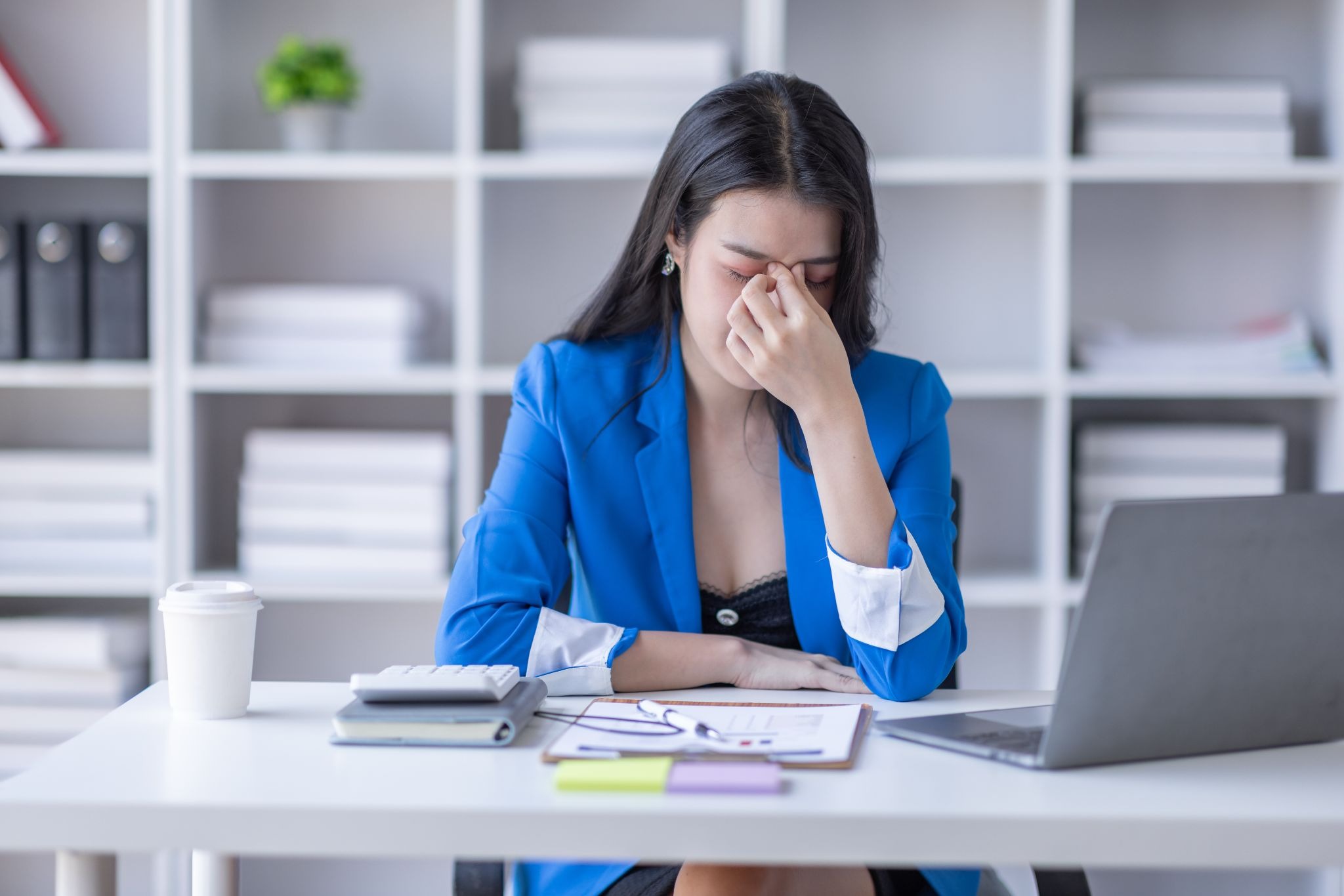
How Stress Affects Women’s Hormonal Health in Singapore’s Fast-Paced Lifestyle
Chronic stress can disrupt hormone balance by affecting cortisol levels, menstrual cycles, fertility, sleep, metabolism and emotional well-being.
Why is Chronic Stress So Common among Women in Singapore?
The female body is highly responsive to stress. Hormones involved in menstruation, ovulation, metabolism, sleep, mood and fertility are all closely linked to the body’s stress-response system [1]. When stress becomes chronic, the body may begin prioritising survival functions over reproductive balance. This can gradually affect hormonal regulation and influence multiple aspects of a woman’s physical and emotional health.
For many women in Singapore, stress is often tied to the demands of modern urban life. Long working hours, competitive workplaces, shift-based schedules, caregiving responsibilities, parenting, relationship pressures and fertility concerns can create a constant cycle of mental and physical strain. Many women continue managing multiple responsibilities simultaneously, even after the workday has ended, leaving little opportunity for proper rest and recovery.
In this blog, we explore how chronic stress affects women’s hormonal health, the symptoms many women unknowingly overlook, the science behind the stress-hormone connection and practical steps that can help support hormonal balance in the midst of Singapore’s demanding lifestyle.
How Does Stress Affect Female Hormones?
Stress does not only affect emotions or mental health. It also influences the body’s hormonal systems, including those involved in menstruation, ovulation, metabolism, sleep, and fertility. While the body is designed to manage short periods of stress, prolonged stress can gradually disrupt the delicate hormonal balance that supports women’s reproductive and overall health.
The body’s stress-response system
When the brain perceives stress, it activates a pathway known as the hypothalamic-pituitary-adrenal (HPA) axis [2]. This system signals the adrenal glands to release stress hormones such as cortisol and adrenaline. In the short term, this response is protective and helps the body react quickly to pressure or danger.
However, chronic stress keeps this system activated for longer than intended. Instead of returning to a resting state, the body remains in a prolonged “fight or flight” mode. Over time, this can place continuous strain on hormonal regulation and recovery processes.
How cortisol affects reproductive hormones
Cortisol is one of the body’s main stress hormones. When cortisol levels remain elevated for prolonged periods, it can interfere with the hormones responsible for regulating the menstrual cycle.
Chronic stress may in turn affect ovulation patterns [3], which influences the balance of follicle-stimulating hormone (FSH), luteinising hormone (LH), oestrogen and progesterone production.
These hormonal disruptions may then contribute to irregular periods, PMS symptoms, delayed/absent ovulation and/or temporary absence of menstruation in some women. During prolonged stress, the body may begin prioritising survival functions over reproductive functions, which can affect fertility and menstrual health.
Chronic stress can interfere with ovulation and hormone regulation, which may affect menstrual regularity and impact fertility.
The connection between stress, insulin and weight changes
Stress can also affect how the body regulates blood sugar and insulin. Cortisol increases glucose availability to provide quick energy during stressful situations. When stress becomes chronic, persistently elevated cortisol levels may contribute to insulin resistance, where the body becomes less responsive to insulin.
In women with conditions such as PCOS, where there is already an element of insulin resistance and irregular periods, chronic stress may further aggravate their symptoms.
The effect of stress on thyroid function
Prolonged stress may also influence thyroid hormone regulation [5]. The thyroid plays an important role in controlling metabolism, energy production, temperature regulation, and menstrual health. When stress affects thyroid function, symptoms can sometimes resemble hormonal imbalance or burnout.
Common overlapping symptoms include:
Fatigue
Brain fog
Hair thinning
Mood changes
Sleep disturbances
Weight fluctuations
Difficulty concentrating
Because many stress-related hormonal symptoms develop gradually, they are often overlooked or mistaken for normal tiredness or lifestyle-related fatigue.
Chronic stress may disrupt thyroid hormone function, which can contribute to increased hair thinning and shedding over time.
What Hormonal Symptoms Can Chronic Stress Cause?
Chronic stress can affect the body in ways that extend far beyond emotional exhaustion. Because the stress-response system is closely connected to reproductive, metabolic and neurological hormones, prolonged stress may gradually influence menstrual health, fertility, sleep, skin, mood and overall well-being. In many women, these symptoms develop slowly and are often mistaken for normal lifestyle-related fatigue or hormonal fluctuations.
Irregular or missed periods — Chronic stress can interfere with ovulation by disrupting communication between the brain and ovaries [6]. In some women, stress may delay ovulation, shorten or lengthen the menstrual cycle or temporarily stop menstruation altogether, a condition known as hypothalamic amenorrhoea [7]. Periods may also become heavier, lighter or more unpredictable over time.
Worsening PMS and painful periods — Stress may increase sensitivity to hormonal fluctuations throughout the menstrual cycle. This can intensify symptoms such as mood swings, irritability, breast tenderness, bloating, anxiety before menstruation and menstrual cramping. Women who already experience premenstrual syndrome (PMS) may notice symptoms becoming more severe during particularly stressful periods [8].
Fertility difficulties — Prolonged stress may affect reproductive hormones involved in ovulation and menstrual regularity. Elevated cortisol levels can impair follicular development and ovulation, lower libido and adversely impact sexual health, while ongoing stress may also affect emotional well-being during fertility treatment. Although stress alone does not directly cause infertility in most cases, it may contribute to hormonal disruptions that affect reproductive function.
Weight gain and difficulty losing weight — Chronic cortisol elevation is associated with increased abdominal fat storage, changes in appetite regulation and insulin resistance [9]. Stress may also contribute to emotional eating, sugar cravings, disrupted sleep and reduced energy levels, all of which can make weight management more difficult despite maintaining regular diet or exercise habits [10].
Sleep disturbances and chronic fatigue — Elevated cortisol levels can disrupt the body’s circadian rhythm and interfere with restorative sleep [13]. Many women under chronic stress experience difficulty falling asleep, frequent nighttime waking or waking feeling unrefreshed despite adequate sleep duration. Poor sleep can then further worsen hormonal imbalance, creating a cycle of fatigue and ongoing stress.
Mood changes and emotional symptoms — Hormonal disruption and chronic stress often overlap with neurological and emotional symptoms. Anxiety, irritability, emotional overwhelm, low motivation, burnout, poor concentration and brain fog are commonly reported in women experiencing prolonged stress. These symptoms are not purely psychological and may also reflect underlying hormonal and nervous system dysregulation.
Low libido and sexual health changes — Chronic stress may reduce sexual desire by affecting hormonal balance, emotional well-being, sleep quality and energy levels [14]. Some women may also experience emotional disconnection with resultant vaginal dryness, discomfort during intercourse, all of which can affect intimacy and overall quality of life.
Chronic stress and elevated cortisol levels may contribute to weight gain around the abdomen and make weight loss more difficult.
Can Stress Worsen Existing Gynaecological Conditions?
Stress does not always directly cause gynaecological conditions, but it can significantly influence how symptoms are experienced and managed. Because stress hormones interact closely with the reproductive, metabolic and immune systems, prolonged stress may aggravate inflammation, hormonal imbalance, pain sensitivity and emotional symptoms in women already living with underlying gynaecological conditions.
Polycystic ovary syndrome (PCOS) — Chronic stress may worsen insulin resistance, which is already a key feature of PCOS in many women. Elevated cortisol levels can contribute to weight gain, increased abdominal fat storage, fatigue and stronger cravings for high-sugar foods, all of which may further affect metabolic health. Stress may also aggravate irregular menstrual cycles and androgen-related symptoms such as acne, excess facial hair growth and hair thinning.
Endometriosis — Endometriosis is a chronic inflammatory condition, and prolonged stress may intensify the body’s inflammatory response and pain sensitivity. Many women notice worsening pelvic pain, fatigue, bloating and emotional distress during periods of ongoing stress. Chronic stress can also affect sleep quality and nervous system regulation, both of which may influence how pain is processed and experienced.
Premenstrual syndrome (PMS) and PMDD — Women with PMS or premenstrual dysphoric disorder (PMDD) may be particularly sensitive to stress-related hormonal fluctuations [15]. Chronic stress can amplify emotional symptoms such as irritability, anxiety, mood swings, sadness, emotional overwhelm, and difficulty coping before menstruation. Stress may also worsen physical symptoms including bloating, breast tenderness, headaches and fatigue.
Perimenopause and menopause — Hormonal changes during perimenopause and menopause already affect the body’s ability to regulate temperature, sleep, mood and energy levels [16]. Chronic stress may intensify symptoms such as hot flushes, sleep disturbances, anxiety, mood changes, fatigue and brain fog. Many women also find that ongoing stress reduces their ability to recover physically and emotionally during this stage of hormonal transition.
What Can Women Do to Protect Their Hormonal Health?
While stress cannot always be completely avoided, the body’s response to stress can often be better supported through lifestyle habits, early symptom recognition, and appropriate medical care. Hormonal health is closely connected to sleep, nutrition, movement, emotional well-being, and recovery. Small but consistent changes can help support the body’s hormonal systems and reduce the long-term effects of chronic stress.
Prioritise sleep and recovery — Sleep plays an important role in regulating cortisol, reproductive hormones, metabolism and emotional health. Maintaining a consistent sleep schedule, limiting late-night screen exposure, creating a calming bedtime routine and allowing adequate recovery time between demanding activities can help support hormonal balance and nervous system recovery.
Support the body with balanced nutrition — Hormones rely on adequate nutrition to function properly. Meals that include sufficient protein, fibre, healthy fats and complex carbohydrates may help support blood sugar stability and energy regulation throughout the day. Staying hydrated and reducing excessive caffeine or alcohol intake may also help minimise stress-related hormonal strain and sleep disruption.
Exercise in a hormone-supportive way — Regular movement can help regulate stress hormones, improve insulin sensitivity, support sleep quality and reduce inflammation. However, excessive exercise without proper recovery may place additional stress on the body. A balanced approach that includes walking, strength training, stretching, yoga or low-impact exercise may help support both physical and hormonal health.
Learn to recognise burnout symptoms early — Many women continue pushing through symptoms until they begin significantly affecting daily life. Paying attention to changes such as irregular menstrual cycles, persistent fatigue, worsening PMS, mood changes, low motivation, sleep problems or ongoing emotional exhaustion may help identify early signs that the body is under prolonged stress.
Seek medical evaluation when symptoms persist — Symptoms such as irregular periods, unexplained weight changes, severe fatigue, worsening acne, fertility difficulties, or persistent hormonal symptoms should not simply be dismissed as stress alone. Depending on symptoms and age, a doctor may recommend hormonal evaluation, pelvic ultrasound, thyroid testing, PCOS assessment or menopause-related investigations to identify any underlying hormonal or gynaecological concerns.
Stress management is part of medical care — Managing stress is not only about relaxation; it is also part of supporting long-term hormonal and overall health. Mindfulness practices, counselling, therapy, breathing exercises, relaxation techniques, social support and setting realistic workload boundaries may all help reduce chronic stress and improve recovery. In many cases, addressing emotional and psychological stressors can play an important role alongside medical treatment and lifestyle adjustments.
Getting enough sleep and allowing time for recovery may help regulate cortisol levels and support healthier hormonal balance.
When Should You See a Gynaecologist About Hormonal Symptoms?
Hormonal symptoms are common, but they should not always be considered “normal,” especially when they persist, worsen over time or begin affecting daily life. While occasional stress-related changes can happen, ongoing symptoms may sometimes indicate an underlying hormonal or gynaecological condition that requires proper evaluation. Paying attention to these changes early may help prevent symptoms from becoming more severe or disruptive in the long term.
Irregular or absent periods — Menstrual cycles that become consistently irregular, unusually far apart, very frequent, or completely absent may indicate hormonal imbalance, ovulation problems, thyroid dysfunction or conditions such as PCOS.
Heavy bleeding — Very heavy periods, prolonged bleeding, passing large clots or bleeding between cycles should not be ignored, especially if they are associated with fatigue, dizziness or pelvic pain.
Severe PMS — Intense mood swings, anxiety, irritability, emotional overwhelm or debilitating physical symptoms before menstruation may suggest more significant hormonal sensitivity or conditions such as PMDD.
Persistent fatigue — Ongoing exhaustion despite adequate rest may sometimes be linked to hormonal imbalance, thyroid dysfunction, chronic stress, sleep disruption or underlying metabolic concerns.
Fertility difficulties — Difficulty conceiving, irregular ovulation or concerns about reproductive health may benefit from early assessment, particularly when menstrual irregularities or hormonal symptoms are also present.
Pelvic pain — Persistent pelvic discomfort, painful periods, pain during intercourse or chronic lower abdominal pain may warrant evaluation for conditions such as endometriosis, ovarian cysts, or other gynaecological concerns.
Sudden weight changes — Unexplained weight gain, difficulty losing weight or sudden changes in body composition may sometimes reflect hormonal or metabolic dysfunction.
Mood changes affecting daily life — Anxiety, low mood, brain fog, irritability or emotional changes that begin interfering with work, relationships, sleep or daily functioning should be taken seriously rather than dismissed as simple stress.
Early medical evaluation can help identify conditions such as polycystic ovary syndrome (PCOS), thyroid disorders, perimenopause, endometriosis or stress-related hormonal dysfunction before symptoms progress further.
Depending on symptoms and age, investigations may include hormonal testing, pelvic ultrasound, thyroid assessment or evaluation of menstrual and reproductive health. Early intervention may help improve symptom control, support fertility, reduce long-term complications and improve overall quality of life.
Conclusion
Chronic stress is not simply an emotional experience. It has measurable effects on the body’s hormonal systems and may influence menstrual cycles, fertility, metabolism, sleep, skin health, mood and overall well-being. Because these changes often develop gradually, many women may not immediately recognise that persistent fatigue, worsening PMS, irregular periods, weight fluctuations or emotional exhaustion could be linked to ongoing hormonal strain.
For many women in Singapore, modern lifestyles are built around constant productivity, long working hours, caregiving responsibilities and continuous mental stimulation. In these environments, symptoms are often normalised or overlooked until they begin significantly affecting quality of life, relationships, reproductive health or emotional well-being.
Listening to the body and recognising persistent changes early is important. Hormonal symptoms should not simply be accepted as an unavoidable part of being busy or stressed. If symptoms such as irregular menstrual cycles, pelvic pain, mood changes, persistent fatigue, sleep disturbances, fertility difficulties or unexplained physical changes continue over time, seeking professional medical evaluation can help identify underlying causes and support appropriate treatment and long-term hormonal health.
If you are experiencing ongoing hormonal or reproductive health concerns that are affecting your daily life, consider seeking a professional medical assessment for further evaluation and advice.
References
Rugvedh, P., Gundreddy, P., & Wandile, B. (2023). The menstrual cycle’s influence on sleep duration and cardiovascular health: A comprehensive review. Cureus, 15(10), e47292. https://doi.org/10.7759/cureus.47292
Kinlein, S. A., & Karatsoreos, I. N. (2020). The hypothalamic-pituitary-adrenal axis as a substrate for stress resilience: Interactions with the circadian clock. Frontiers in Neuroendocrinology, 56, 100819. https://doi.org/10.1016/j.yfrne.2019.100819
Jain, P., Chauhan, A. K., Singh, K., Garg, R., Jain, N., & Singh, R. (2023). Correlation of perceived stress with monthly cyclical changes in the female body. Journal of Family Medicine and Primary Care, 12(11), 2927–2933. https://doi.org/10.4103/jfmpc.jfmpc_874_23
Hewagalamulage, S. D., Lee, T. K., Clarke, I. J., & Henry, B. A. (2016). Stress, cortisol, and obesity: A role for cortisol responsiveness in identifying individuals prone to obesity. Domestic Animal Endocrinology, 56 Suppl, S112-120. https://doi.org/10.1016/j.domaniend.2016.03.004
Singh, M., Narayan, J., Thakur, R., Bhattacharya, S., Sonkar, S. K., & Ali, W. (2024). Association of stress and primary hypothyroidism. Journal of Family Medicine and Primary Care, 13(3), 1073–1078. https://doi.org/10.4103/jfmpc.jfmpc_845_23
Vigil, P., Meléndez, J., Soto, H., Petkovic, G., Bernal, Y. A., & Molina, S. (2022). Chronic stress and ovulatory dysfunction: Implications in times of covid-19. Frontiers in Global Women’s Health, 3, 866104. https://doi.org/10.3389/fgwh.2022.866104
Ryterska, K., Kordek, A., & Załęska, P. (2021). Has menstruation disappeared? Functional hypothalamic amenorrhea—what is this story about? Nutrients, 13(8), 2827. https://doi.org/10.3390/nu13082827
Chao, A. M., Jastreboff, A. M., White, M. A., Grilo, C. M., & Sinha, R. (2017). Stress, cortisol, and other appetite-related hormones: Prospective prediction of 6-month changes in food cravings and weight. Obesity (Silver Spring, Md.), 25(4), 713–720. https://doi.org/10.1002/oby.21790
Chao, A., Grilo, C. M., White, M. A., & Sinha, R. (2015). Food cravings mediate the relationship between chronic stress and body mass index. Journal of Health Psychology, 20(6), 721–729. https://doi.org/10.1177/1359105315573448
Borzyszkowska, D., Niedzielska, M., Kozłowski, M., Brodowska, A., Przepiera, A., Malczyk-Matysiak, K., Cymbaluk-Płoska, A., & Sowińska-Przepiera, E. (2022). Evaluation of hormonal factors in acne vulgaris and the course of acne vulgaris treatment with contraceptive-based therapies in young adult women. Cells, 11(24), 4078. https://doi.org/10.3390/cells11244078
Thomas, K. S., Ponnuri, A. S. S., Latheef, S., Otim, M. L., & Sabu, N. M. (2025). Hypothalamic-pituitary-adrenal axis, hair, and sebum: Stress-mediated dermatologic disasters of the pandemic era. Cosmoderma, 5. https://doi.org/10.25259/CSDM_118_2025
Hirotsu, C., Tufik, S., & Andersen, M. L. (2015). Interactions between sleep, stress, and metabolism: From physiological to pathological conditions. Sleep Science, 8(3), 143–152. https://doi.org/10.1016/j.slsci.2015.09.002
Hamilton, L. D., & Meston, C. M. (2013). Chronic stress and sexual function in women. The Journal of Sexual Medicine, 10(10), 2443–2454. https://doi.org/10.1111/jsm.12249
Hantsoo, L., & Epperson, C. N. (2015). Premenstrual dysphoric disorder: Epidemiology and treatment. Current Psychiatry Reports, 17(11), 87. https://doi.org/10.1007/s11920-015-0628-3
Gombert-Labedens, M., Vesterdorf, K., Fuller, A., Maloney, S. K., & Baker, F. C. (n.d.). Effects of menopause on temperature regulation. Temperature: Multidisciplinary Biomedical Journal, 12(2), 92–132. https://doi.org/10.1080/23328940.2025.2484499
This article has been medically reviewed by Dr Ng Kai Lyn
Dr Ng Kai Lyn 黄楷伶 is a Consultant Obstetrician and Gynaecologist with sub-specialty expertise in urogynaecology and minimally invasive surgery, as well as a clinical interest in fertility.
The contents on this website provides general information only and does not replace professional or specialist advice. If you think you may have any medical condition, always seek prompt medical attention from a professional healthcare provider. It is not advisable to delay consulting professional advice by relying on the information provided here. Although reasonable efforts have been made to ensure that the information is relevant and comprehensive, we make no guarantees or representation that the contents on this website are complete, up-to-date or accurate. drngkailyn.com is independently owned and is not affiliated or endorsed by any organisation.