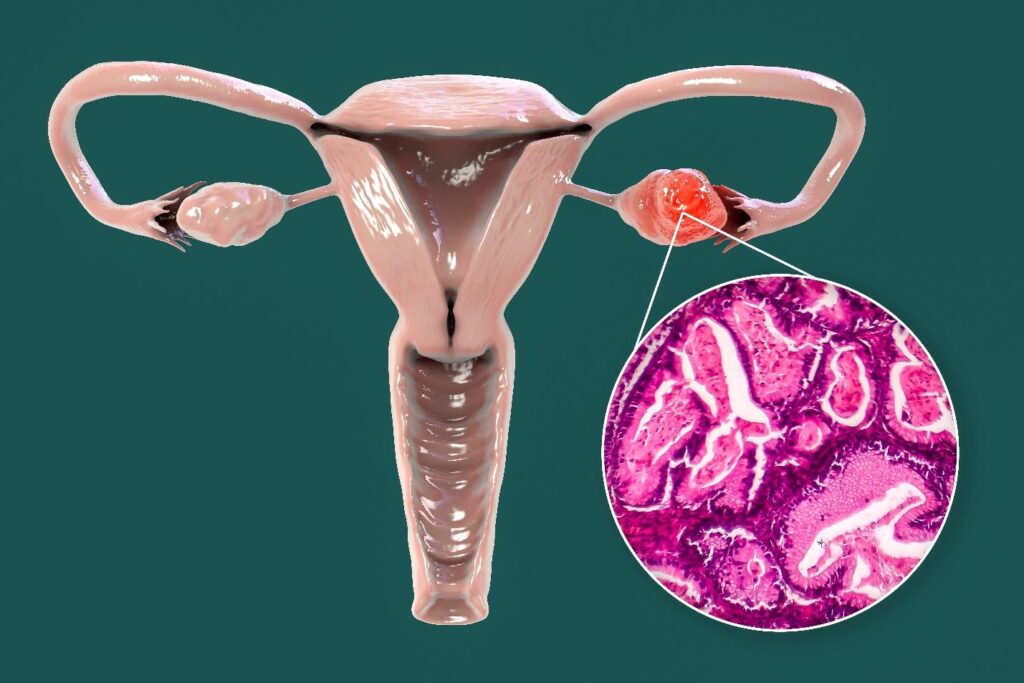
Within the realm of women’s health, the terms “fibroids” and “cysts” are often mentioned in passing, and sometimes, occur concurrently. While they may sound similar, fibroids and cysts are entirely different in nature — one is a solid tumour-like growth in the uterus, while the other is a fluid-filled sac that develops in the ovaries.
The confusion often comes from the fact that both can develop silently, without obvious symptoms, or they can cause discomfort, changes in menstrual patterns, and, in some cases, complications.
In this article, we’ll break down everything you need to know about uterine fibroids and ovarian cysts — their differences, symptoms, diagnosis, and treatment options — so that you can make informed decisions about your health. Whether you’re facing a recent diagnosis, dealing with unexplained symptoms, or simply want to be proactive about your gynaecological health, understanding these conditions can empower you to take control of your well-being.
What Are Uterine Fibroids?
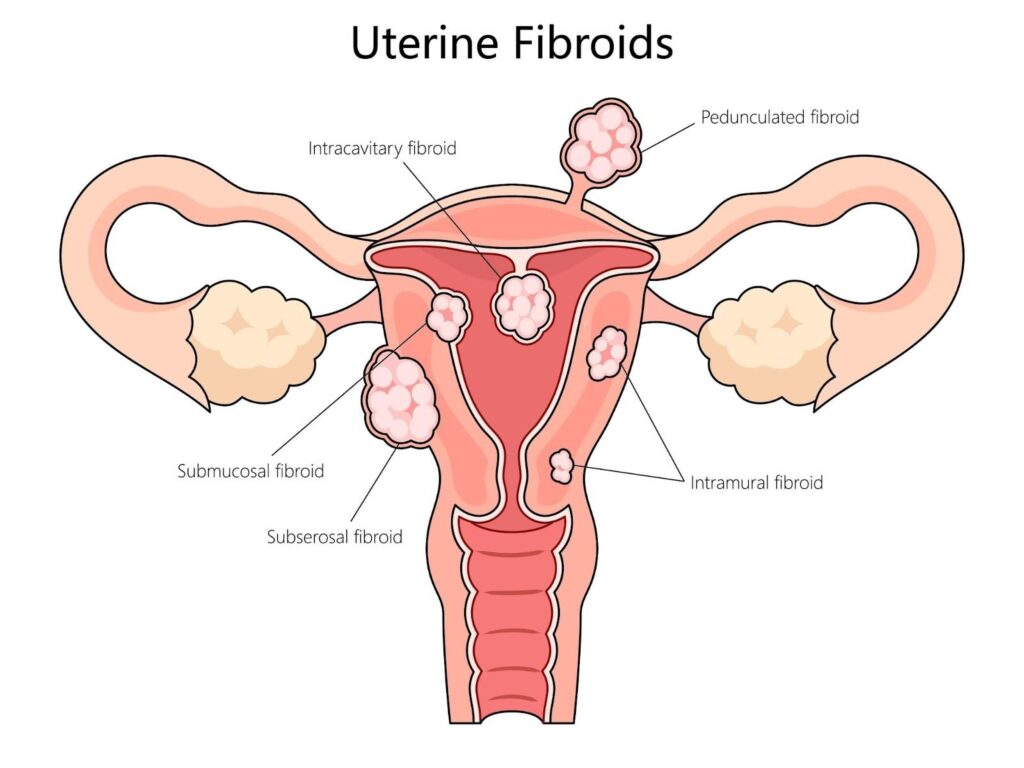
Uterine fibroids are noncancerous growths that develop in or on the uterus, which affect many women at some point in their lives. These growths — also known as leiomyomas or myomas — are composed of muscle and fibrous tissue and can vary greatly in size. Some remain as small as a seed, while others can grow large enough to distort the shape of the uterus.
Although the vast majority of fibroids are benign, their impact ranges from unnoticed to significantly disruptive. Some women may have fibroids without experiencing symptoms, while others may struggle with severe menstrual bleeding, period cramps, or even fertility complications. Whether the fibroids result in significant symptoms depend on both their sizes and locations.
Types of Uterine Fibroids
Uterine fibroids are noncancerous, solid tumours made of muscle and fibrous tissue that develop within or on the uterus, which may cause symptoms such as heavy menstrual bleeding, period cramps, and pressure on surrounding organs.
The location of fibroids within the uterus plays a key role in how they affect the body. The three primary types are:
Intramural Fibroids — the most common type, these grow within the muscular wall of the uterus. Small intramural fibroids can sometimes result in no symptoms; larger ones can cause heavy periods and/or pelvic discomfort as they expand [1].
Submucosal Fibroids — develop just beneath the lining of the uterus and extend into the uterine cavity [2]. Even small submucosal fibroids can lead to excessive menstrual bleeding and fertility issues.
Subserosal Fibroids — grow on the outer surface of the uterus. They typically can grow fairly large before they start resulting in symptoms, whereby they can sometimes press against adjacent organs like the bladder or intestines, leading to frequent urination or constipation [3].
Common Symptoms of Uterine Fibroids
While some fibroids remain asymptomatic, others can cause a range of symptoms depending on their size and location. The most common signs include:
Heavy and prolonged menstrual bleeding — fibroids can cause periods that last longer than usual or are excessively heavy, sometimes leading to (iron-deficiency) anaemia.
Pelvic pain and pressure — larger fibroids can create a sensation of fullness or pressure in the lower abdomen, leading to chronic discomfort.
Frequent urination — fibroids pressing against the bladder may cause an increased urge to urinate.
Constipation or bloating — subserosal fibroids that press against the intestines can disrupt digestion, causing bloating or difficulty passing stool or gas.
Difficulty in conceiving/ pregnancy complications — depending on their location/size, fibroids can cause difficulty in conceiving or pregnancy complications
(Rarely) Deep vein thrombosis (DVT) – should the uterus be grossly enlarged with multiple/sizable fibroid(s), vascular complications such as a DVT can result due to the fibroid uterus compressing on pelvic vessels
For many women, fibroids remain a silent condition, only discovered during routine gynaecological exams or health screening checks. However, if you experience symptoms that begin to interfere with daily life, it’s best to consult your gynaecologist for early diagnosis and management.
What Are Ovarian Cysts?
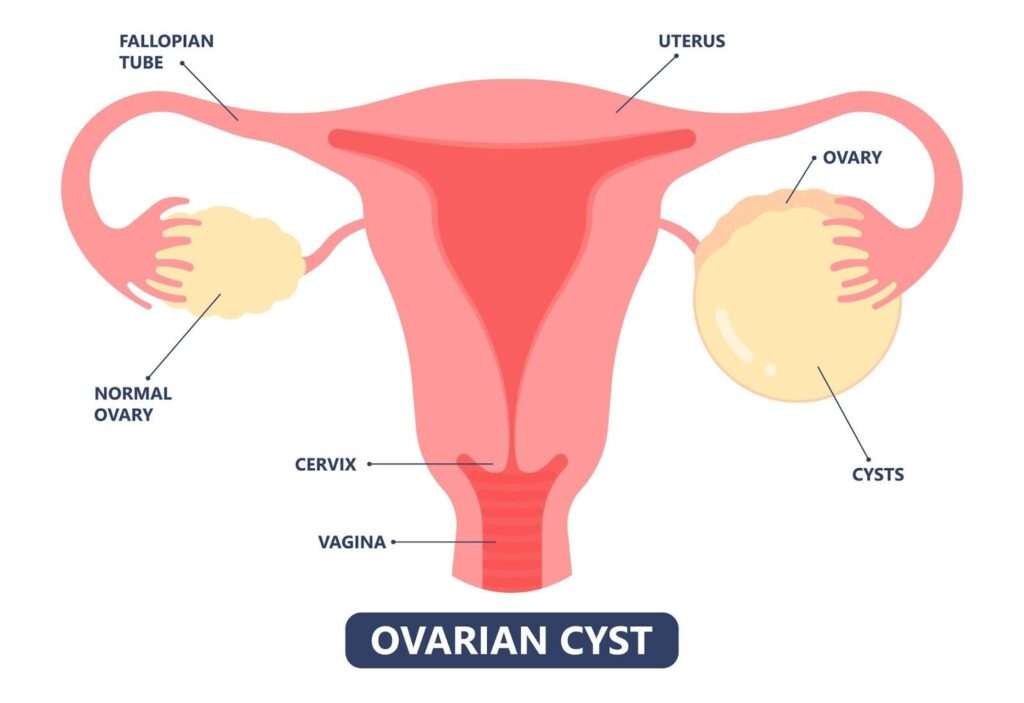
Ovarian cysts are fluid-filled sacs that develop in or on the ovaries. They are a common occurrence in women of reproductive age and, in many cases, remain harmless, causing no symptoms and disappearing on their own. However, some cysts grow larger, persist, or cause discomfort, leading to concerns about their impact on reproductive health and overall general health/ well-being.
Unlike uterine fibroids (which are solid growths of muscle and fibrous tissue), ovarian cysts are usually filled with fluid and can form due to various reasons. While most are benign, certain types may indicate underlying conditions that require medical intervention.
Types of Ovarian Cysts
Ovarian cysts are broadly classified into two main categories:
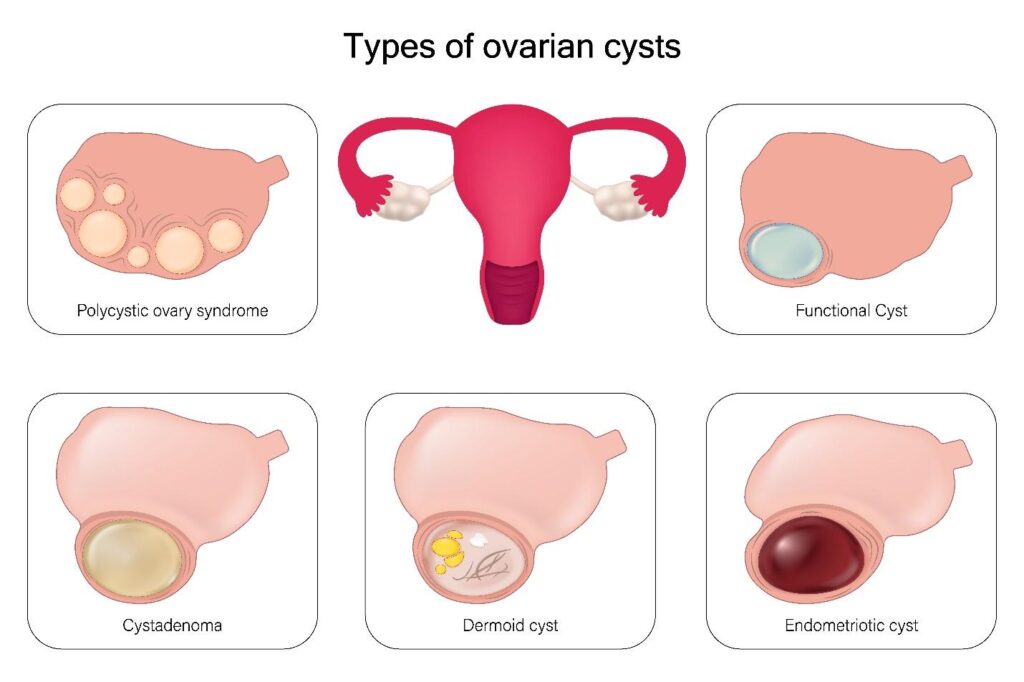
Functional Cysts — the most common type, these form as part of the normal menstrual cycle, are considered physiological and typically resolve on their own. All women in their reproductive lifespan will typically get these in their lifetimes. They include:
Follicular cysts — occur when a follicle fails to release an egg and continues to grow. These typically resolve after a few menstrual cycles and are harmless.
Corpus luteum cysts — this is a cyst that forms following ovulation (egg release), which produces progesterone in preparation for potential pregnancy. It can sometimes take a few menstrual cycles to fully resolve, and rarely may result in complications such as bleeding, causing transient pain.
Pathological Cysts — unrelated to the menstrual cycle, these cysts develop due to abnormal cell growth and may require medical attention. They include:
Dermoid cysts — formed from embryonic cells, containing tissue like hair, fat, or even teeth.
Endometriomas — caused by endometriosis, where uterine tissue grows outside the uterus and attaches to the ovaries, often leading to pain, distortion of pelvic anatomy, and fertility issues.
Cystadenomas — fluid-filled cysts that develop on the ovarian surface and can grow quite large.
Cancerous cysts – these are rare but are known to grow rapidly in size/ progress quickly with minimal symptoms. They commonly also have mixed solid-cystic areas within the cysts instead of being purely fluid-filled.
Ovarian cysts are fluid-filled sacs that develop in or on the ovaries, often resulting from hormonal changes or ovulation, sometimes causing pelvic pain, bloating, or menstrual irregularities.
Common Symptoms of Ovarian Cysts
Many ovarian cysts remain asymptomatic and are only discovered during routine pelvic examinations. However, when they become problematic, they can cause a variety of symptoms, including:
Pelvic pain — ranging from a dull ache to sharp, sudden pain, particularly if a large cyst ruptures, bleeds or twists, termed as an “ovarian cyst accident”.
Bloating or a feeling of fullness — larger cysts can cause abdominal discomfort or a sensation of heaviness/bloatedness.
Irregular menstrual cycles — some cysts interfere with normal ovulation, leading to unpredictable periods.
Pain during intercourse — cysts that exert pressure on surrounding tissues may cause discomfort or deep pain during sex.
Difficulty in conceiving — depending on their type, some ovarian cysts e.g. endometriomas can result in decreased ovarian reserve/function and therefore cause difficulty in conceiving.
Frequent urination or bowel issues — larger cysts can press against the bladder or intestines, leading to urinary urgency or constipation.
In rare cases, an ovarian cyst may rupture, bleed or become twisted (ovarian torsion). These situations require immediate medical attention. In cases of acute, severe pain, which can sometimes also be associated with nausea, fever etc, particularly if one has a known history of ovarian cyst, it is recommended to get evaluated at the nearest Accident and Emergency Department as urgent surgical intervention may sometimes be required before irreversible ovarian function loss occurs.
Cysts And Fibroids Are Vastly Different
Although both are common gynaecological conditions, they differ in structure, location, and how they affect the body. Fibroids are solid growths that develop in or on the uterus, while cysts are fluid-filled sacs that form in or on the ovaries. Their causes, symptoms, and treatment approaches also vary.
While some women may have both conditions at the same time, proper diagnosis through medical evaluation is essential to determine the most ideal course of action for managing symptoms and maintaining reproductive health.
The table below provides a clear comparison to help differentiate between the two:
Feature
Fibroids
Ovarian Cysts
Location
Develop in or on the uterus
Form in or on the ovaries
Composition
Solid, dense growths made of muscle and fibrous tissue
(Mostly) Fluid-filled sacs
Causes
Hormonal factors, genetics, and growth factors
Often linked to the menstrual cycle or hormonal imbalances
Common Symptoms
Heavy menstrual bleeding, pelvic pain, pressure symptoms such as frequent urination, constipation
Bloating, irregular periods, pelvic pain, pain during intercourse
Growth Pattern
Can grow gradually over time, sometimes reaching large sizes; does not resolve on their own. Typically stops growing when one reaches menopause and can start shrinking.
Can appear and disappear quickly, often resolving on their own
Impact on Menstruation
Causes prolonged or heavy periods
Can lead to irregular menstrual cycles
Potential Complications
May press on surrounding organs, leading to discomfort and fertility issues
May rupture or cause ovarian torsion, leading to sudden pain
While fibroids tend to develop slowly and may grow large before causing noticeable symptoms, ovarian cysts often come and go undetected. However, both conditions require medical evaluation if they cause persistent discomfort, affect menstrual cycles, or lead to fertility concerns.
Are Cysts or Fibroids Cancerous?
Most fibroids and cysts are benign, non-cancerous growths. In fact, many ovarian cysts resolve on their own, especially in premenopausal women.
However, in rare cases, certain forms of cysts, like complex ovarian cysts or rapidly growing fibroids, may raise some concern for malignancy. This is why it’s important to monitor these growths through regular check-ups with your doctor.
How Are Fibroids and Cysts Diagnosed?
The first step to treating your condition starts with an understanding of your condition. An accurate diagnosis is essential for distinguishing between fibroids and ovarian cysts, as their symptoms can sometimes overlap. While some women may not experience any noticeable signs, others may struggle with persistent pelvic pain, abnormal bleeding, or changes in their menstrual cycle.
Medical History and Physical Examination
Your gynaecologist may ask about:
The duration and severity of menstrual bleeding
The presence of pelvic pain, bloating, or pressure
Changes in urinary or bowel habits
Family history of fibroids or ovarian conditions
A physical examination, including a pelvic exam, helps detect any abnormalities in the uterus or ovaries. If a mass is present, further imaging tests are usually recommended to confirm the diagnosis and assess its characteristics.
Imaging Tests
To accurately identify whether a growth is a fibroid or a cyst, healthcare providers rely on imaging tests, including:
Ultrasound — the most commonly used diagnostic tool, ultrasound helps visualise both fibroids and cysts. A transabdominal ultrasound (performed over the abdomen) or a transvaginal ultrasound (inserted into the vagina for a closer view) can reveal the size, shape, and location of the growth. A transvaginal ultrasound is typically preferred over that of a transabdominal approach due to its proximity to the pelvic organs.
MRI (Magnetic Resonance Imaging) — provides more detailed images, particularly useful for fibroids. MRI scans help distinguish fibroids from other uterine conditions and determine the most suitable course of treatment.
Additional Tests — in some cases, further testing may be necessary to rule out complications or underlying conditions:
Blood Tests — women with heavy bleeding due to fibroids may be tested for anaemia and/or iron deficiency, which occurs when excessive blood loss reduces red blood cell levels.
Ovarian tumor marker blood tests e.g. CA-125 — used when a complex ovarian cyst is detected, blood tests such as tumor marker panels can measure CA-125 protein levels [4], which can be elevated in cases of ovarian cancer, endometriosis, or other conditions. However, an elevated CA-125 level does not necessarily indicate cancer (as it can also be raised in many benign or non-gynaecological conditions), and additional testing may be required for a definitive diagnosis.
Early detection helps prevent complications and allows for timely medical intervention for your symptoms.
How Do You Treat Fibroids and Cysts?
The management of fibroids and ovarian cysts depends on their size, symptoms, and potential complications. While many cases require only monitoring, others may need medical or surgical intervention. Below are the primary treatment approaches for both conditions.
Treatment for Fibroids
Not all fibroids require immediate treatment—many are small, asymptomatic, and discovered incidentally during routine gynaecological exams. For those that cause symptoms, the following options are available:
Observation — small, asymptomatic fibroids are often monitored through regular check-ups and imaging scans. If they do not grow or cause discomfort, no further treatment is necessary.
Medications — these range from non-hormonal medications (such as tranexamic acid/NSAIDs aka non-steroidal anti-inflammatory drugs, which can help alleviate heavy menstrual bleeding/menstrual cramps when taken on an as needed basis) to hormonal therapy, including birth control pills, progesterone-based treatments, or gonadotropin-releasing hormone (GnRH) agonists, can help reduce heavy bleeding, and alleviate symptoms [5]. However, these treatments do not eliminate nor shrink fibroids (other than GnRH injections, which can only be used for the short-term and hence does not serve to shrink fibroids effectively in the long-term).
Minimally Invasive Procedures — for women experiencing significant symptoms but wanting to avoid major surgery, procedures like uterine artery embolization (UAE) [6] or microwave ablation [7] can reduce fibroid size and symptoms by blocking their blood supply or using heat to destroy fibroid tissue. These, however, are usually temporalizing and typically do not have long-term efficacy and a proportion of women may ultimately require repeated procedures, hence precise case selection is required to determine suitability.
Surgical Options — for severe cases, surgery may be required:
Myomectomy — Myomectomyremoves fibroids while preserving the uterus, making it a preferred choice for women who wish to maintain fertility.
Hysterectomy — Hysterectomy involves removing the uterus entirely and is considered a definitive solution for recurrent or large fibroids in women who do not plan future pregnancies.
Treatment for Ovarian Cysts
Many ovarian cysts, particularly functional cysts, resolve on their own within a few menstrual cycles. However, when cysts persist, grow larger, or cause severe symptoms, treatment may be necessary.
Observation — functional cysts that are small and asymptomatic typically resolve naturally. Regular ultrasound monitoring ensures that they do not grow or develop complications.[8]
Medications — hormonal medications, such as birth control pills or progesterone-only medications, help prevent the formation of new functional cysts by regulating ovulation or suppressing ovarian activity. They can also sometimes shrink the size of existing ovarian cysts (depending on the nature).
Surgical Intervention — when a cyst becomes large, persistent, or causes significant symptoms, surgical removal may be required:
Cystectomy — Cystectomy removes only the cyst while preserving the ovary, which is ideal for benign cysts.
Oophorectomy — Oophorectomy removes the affected ovary if the cyst is large, complex, or suspected to be cancerous [9]. This option is considered when necessary to prevent complications.
Surgical intervention for an ovarian cyst has the potential to reduce one’s ovarian reserve and hence proper preoperative counseling is necessary for you to understand the implications of surgery and whether or not it is necessary for your case.
When to Visit a Gynaecologist
While many cases of fibroids and ovarian cysts do not cause serious issues, certain symptoms indicate the need for prompt medical evaluation. Seek immediate medical attention if you experience:
Severe or persistent pelvic pain — sudden, sharp pain may indicate a ruptured cyst or ovarian torsion, both of which require urgent care.
Heavy or prolonged menstrual bleeding — excessive blood loss from fibroids can lead to anaemia, causing fatigue, dizziness, and weakness.
Significant bloating or abdominal swelling — a rapidly growing fibroid or cyst may cause noticeable changes in the abdomen, warranting further investigation.
Pain during intercourse — persistent discomfort can be a sign of fibroids pressing on surrounding organs or cysts affecting the ovaries.
Changes in urination or bowel habits — frequent urination, constipation, or difficulty emptying the bladder may be due to large fibroids pressing against the bladder or intestines.
Unexplained weight changes or hormonal changes — symptoms like sudden weight changes, irregular periods, or excessive hair growth should not be overlooked.
Summary
Fibroids and ovarian cysts are two of the most common gynaecological conditions, yet they remain widely misunderstood. Many women only learn about them after experiencing symptoms like pelvic pain, heavy bleeding, or irregular periods. Others may have them without knowing, as these growths can sometimes develop silently. While fibroids and cysts share some similarities, they are fundamentally different in structure, causes, and the way they affect reproductive health.
Hopefully this quick guide helped shed some light on their differences, what to expect for each condition, and when to seek medical attention. If you’re experiencing unexplained pelvic pain, irregular periods, or other concerning symptoms, it is imperative to seek a gynaecologist’s opinion for a detailed diagnosis and personalised treatment plan.
Zhang, M., Cheng, S., Jin, Y., Zhao, Y., & Wang, Y. (2021). Roles of CA125 in diagnosis, prediction, and oncogenesis of ovarian cancer. Biochimica et Biophysica Acta (BBA) – Reviews on Cancer, 1875(2), 188503. https://doi.org/10.1016/j.bbcan.2021.188503
Uterine fibroids: Learn More – When is treatment with hormones considered? (2021). In InformedHealth.org [Internet]. Institute for Quality and Efficiency in Health Care (IQWiG). https://www.ncbi.nlm.nih.gov/books/NBK279532/
Lerardi AM, Savasi V, Angileri SA, Petrillo M, Sbaraini S, Pinto A, Hanozet F, Marconi AM, Carrafiello G. Percutaneous High Frequency Microwave Ablation of Uterine Fibroids: Systematic Review. Biomed Res Int. 2018 Jan 8;2018:2360107. doi: 10.1155/2018/2360107. PMID: 29511672; PMCID: PMC5817312.
Abdullah, B., Subramaniam, R., Omar, S., Wragg, P., Ramli, N., Wui, A., Lee, C., & Yusof, Y. (2010). Magnetic resonance-guided focused ultrasound surgery (Mrgfus) treatment for uterine fibroids. Biomedical Imaging and Intervention Journal, 6(2), e15. https://doi.org/10.2349/biij.6.2.e15
Ovarian cysts are common gynaecological disorder, occurring in 10-20% of women.
Ovarian cysts are common, yet often misunderstood. For many women, the presence of ovarian cysts can be alarming, leaving them uncertain about the implications for their health. But by understanding ovarian cysts, their symptoms, and when to seek medical advice, it can help in managing this condition. Knowing when to consult a gynaecologist makes all the difference in effective management, preventing complications, and ensuring your overall reproductive health.
What are Ovarian Cysts?
Ovarian cysts are fluid-filled sacs that develop in or on the ovaries. The ovaries are part of the female reproductive system, responsible for producing eggs, and hormones. They can form during the menstrual cycle as part of normal ovarian function, but they can also develop due to other conditions, some of which may require medical attention.
While most ovarian cysts are harmless, and can resolve on their own, some can cause discomfort or lead to serious health issues if left unchecked. It is essential to differentiate between normal, and potentially problematic cysts to avoid unnecessary panic or overlook potential risks. In fact, early detection, and diagnosis can reduce the risk of complications such as cyst rupture, torsion or infections.
Are ovarian cysts common?
It should be noted that ovarian cysts are quite common, especially during the reproductive years. It is estimated that 1 in 10 women [1] will develop ovarian cysts at some point in their lives. In Singapore, the rates align with global statistics, though many women remain unaware of their condition until they seek medical advice for symptoms like pelvic pain or irregular periods.
Understanding Ovarian Cysts
Ovarian cysts are categorised into three categories, which are functional cysts, pathological cysts, and polycystic ovary syndrome (PCOS).
Ovarian cysts are not all the same. In fact, they can vary widely in terms of their cause, size, and the symptoms they produce. Some cysts are a normal part of the menstrual cycle, while others may result from underlying health conditions. To better understand ovarian cysts, it is important to distinguish between the different types, and learn how they develop.
Types of Ovarian Cysts
Functional Cysts
Functional cysts [2] are the most common type, and are generally harmless. These cysts form as part of the normal menstrual cycle, and usually disappear on their own without treatment. There are two main types, which are:
Follicular cysts – follicular cysts form when the follicle, which is supposed to release an egg during ovulation, fails to rupture. The fluid inside the follicle builds up, causing the cyst to form.
Corpus luteum cysts – after the follicle releases an egg, it becomes the corpus luteal cyst, which typically resorbs after some time.
Pathological Cysts
Meanwhile, pathological cysts [3] are less common. Be that as it may, they can sometimes lead to complications. Some of the types of pathological cysts are:
Dermoid cysts – dermoid cysts contain various tissues, such as hair, fat, and even teeth, making them a unique type of cyst.
Endometriomas – endometriomas are associated with endometriosis. These cysts form when tissue, similar to the uterine lining, grows on the ovaries.
Cystadenomas – cystadenomas develop from cells on the outer surface of the ovary, and can grow large. They may need to be surgically removed if they become symptomatic.
Polycystic Ovary Syndrome (PCOS)
PCOS is a common condition that results in the development of multiple small cysts within the ovaries. It is often accompanied by hormonal imbalances, leading to irregular periods, weight gain, and difficulty in conceiving. While PCOS can affect ovarian function, it does not always cause significant symptoms and these “cysts” do not require surgical intervention.
How Ovarian Cysts Develop
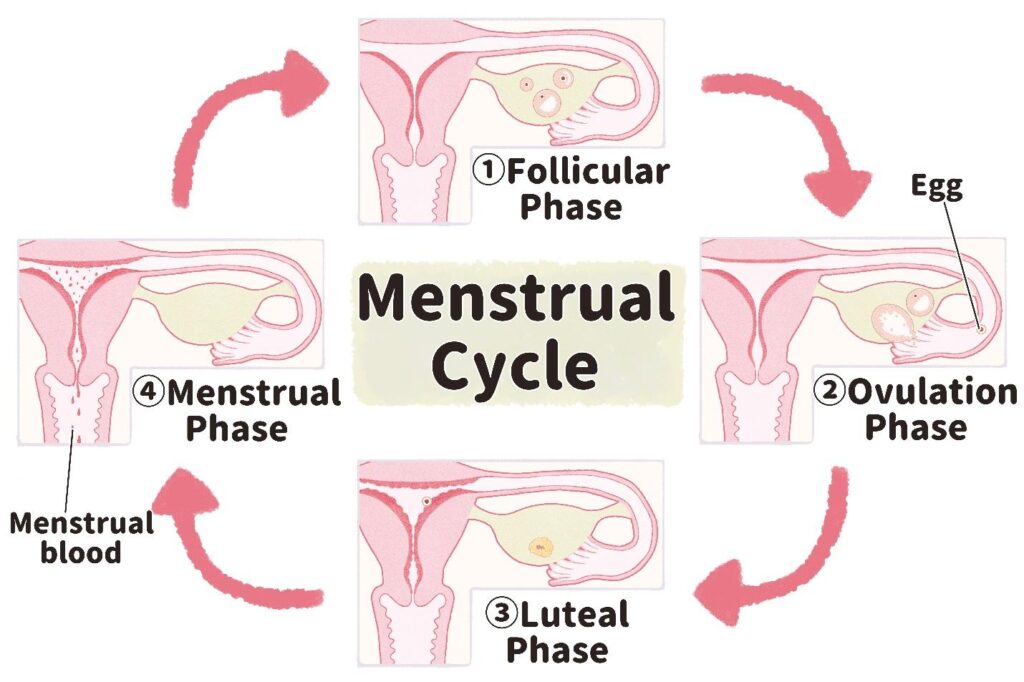
Functional, or physiological, ovarian cysts typically develop during the ovulation phase of a menstrual cycle.
Ovarian cysts typically form as part of the normal menstrual cycle [4], when the ovaries produce, and release eggs. However, factors such as hormonal imbalances, endometriosis or other underlying conditions can interfere with the normal process. This ultimately encourages cyst formation.
Most cysts that develop during the menstrual cycle are functional, and harmless. However, if they grow too large or do not resolve as expected, they may lead to discomfort or other complications.
When Should I Visit a Gynaecologist for Ovarian Cysts?
Although many cysts may not cause noticeable symptoms, certain signs warrant a visit to a gynaecologist. If you experience any of the following, it’s essential to seek medical attention:
Persistent or severe pelvic pain
If you notice that the pelvic pain you experience is more frequent, intense or sharp than usual, it could indicate that an ovarian cyst is growing larger, having internal bleeding (hemorrhage), leaking/ruptured or undergoing torsion. The above are termed as “ovarian cyst accident”. Persistent pain should be checked by a gynaecologist.
Abdominal bloatedness
A sensation of fullness, bloating or swelling in the abdomen, particularly when accompanied by other symptoms like pain or discomfort, can suggest the presence of a cyst.
Menstrual irregularities
Ovarian cysts, especially those that are larger or functional in nature, can affect the menstrual cycle. These symptoms may include irregular periods, heavier bleeding or spotting between cycles. As such, if you notice changes in your period, it is worth speaking to your gynaecologist for a check-up.
Unusually painful periods
Experiencing more pain than usual during your period can potentially be linked with the presence of ovarian cysts, particularly endometriosis cysts. If your periods are getting more painful/crampy, this could be a sign that further investigation is needed.
Seeing a gynaecologist earlier will improve treatment outcome, and prevent further complications that could affect your gynaecological health.
When to Get Immediate Medical Attention
In the event you are experiencing sudden or severe symptoms, then you should seek immediate medical attention. This is because some symptoms, such as sharp pelvic pain, fever or vomiting, can be indicative of ruptured cysts or ovarian torsion – both are categorised as medical emergencies:
Ruptured cyst – when a cyst ruptures, it can cause severe pain, internal bleeding, and infection. As such, immediate treatment is necessary to prevent such complications, which can become life-threatening [5].
Ovarian torsion – ovarian torsion occurs when the ovary twists, cutting off its blood supply [6]. It leads to sudden, severe pain, nausea, and vomiting. It typically requires urgent surgical intervention to save the ovary, and prevent further complications such as a permanent loss in ovarian function..
Can Ovarian Cysts Be Treated?
Treatment for ovarian cysts varies depending on the size, type, and severity of the symptoms. In many cases, the cysts resolve on their own without any intervention. However, if a cyst becomes problematic or causes pain, then medical treatment may be necessary. Currently, some of the common treatment options are:
Medical Management
For women who experience symptoms or have recurring cysts, hormonal treatments can help prevent further cyst formation [7]. This may include medications such as birth control pills or progesterone, which are known to regulate the menstrual cycle, and help shrink cysts by preventing ovulation. These treatments may also help manage symptoms associated with conditions like PCOS.
On the other hand, your gynaecologist may also recommend a “watch, and wait” approach if the cyst is small, and asymptomatic. In such cases, regular monitoring through ultrasound or physical examinations can help track the cysts’ size, and ensure it does not cause any problems.Depending on the type of ovarian cyst that is suspected, a follow up pelvic ultrasound scan may be scheduled in certain times of your menstrual cycle for better monitoring.
Surgical Interventions
If the cyst is large, persistent or causing significant pain, then surgical intervention may be required. There are two primary surgical options, which are:
Laparoscopy – a laparoscopy is a minimally invasive procedure. The procedure involves small incisions, and a camera, known as a laparoscope, is used to remove the cyst. It is the preferred method for most cases due to its shorter recovery time, and lower risk.
Laparotomy – a laparotomy is a more invasive surgery, typically reserved for larger cysts or more complicated cases. It requires a larger incision, and may result in a longer recovery time.
Ovarian Cystectomy – an ovarian cystectomy involves the removal of the cyst while leaving the ovary intact. It is often performed when the cyst is benign, but large enough to cause problems.
Oophorectomy – an oophorectomy may be necessary in some cases. This includes if the cyst is cancerous or is significantly affecting the ovary, in which the entire ovary may need to be removed. This procedure may be more commonly undertaken in older women/completed family or those with a family history of ovarian cancer.
Supportive and Holistic Therapies
Aside from medical or surgical treatments, your gynaecologist may also recommend lifestyle changes, and holistic therapies. This is to help manage symptoms caused by ovarian cysts more effectively. The therapies may include:
Dietary management – a healthy diet that is rich in fruits, vegetables, and whole grains may help reduce inflammation, and support hormonal balance.
Pain management – over-the-counter pain relievers, like ibuprofen or paracetamol, can help alleviate discomfort from cysts.
Stress management – as stress can sometimes exacerbate hormonal imbalances, it is encouraged to practice yoga, meditation or deep breathing exercises to manage your stress levels more efficiently.
When Should You Be Concerned About Ovarian Cysts?
Persistent pelvic pain can be a sign of potential complications, such as ruptured ovarian cyst.
While many ovarian cysts are harmless and resolve on their own without treatment, some may lead to serious complications. Recognizing when a cyst could pose a health risk — especially if it causes sudden or severe symptoms — is crucial. Being aware of these warning signs can help you seek prompt medical attention and prevent potential health issues.
Signs of Potential Ovarian Cyst Complications
Most ovarian cysts do not result in major complications. But in certain cases, they can become problematic. Some of the signs of potential complications that warrant immediate medical attention are:
Bloating or abdominal distention.
Dizziness or fainting episodes.
Fever or chills.
Nausea or vomiting episodes.
Pain during intercourse.
Severe or sudden pelvic pain.
Unexplained weight loss.
The Link Between Ovarian Cysts and Ovarian Cancer
While most ovarian cysts are benign and non-cancerous, certain types can raise concerns [8]. Ovarian cysts are sometimes misinterpreted as ovarian cancer due to similarities in symptoms and findings. This is why a proper diagnosis is crucial.
Simple ovarian cysts – simple ovarian cysts are typically fluid-filled, and do not usually present a cancer risk. These cysts often resolve on their own, and cause minimal or no symptoms.
Complex cysts – complex cysts may contain solid areas, multiple fluid-filled sections or a nodule on the surface. They can potentially be linked to an increased risk of ovarian cancer.
Solid masses – solid masses that are found on the ovaries are generally associated with a higher risk of cancer.
Ovarian cancer is in the list of the top 10 most common types of cancer afflicting women in Singapore.
In Singapore, ovarian cancer is the sixth most common cancer among women. While the majority of ovarian cysts are harmless, certain cysts, especially complex ones, can increase the risk of developing ovarian cancer. As such, it is crucial to monitor ovarian cysts, and remain vigilant about any changes, especially those who are at a higher risk of developing the disease:
Age – women who are 40 years old [9], and older are at a higher risk for developing ovarian cancer.
Family history – women with a family history [10] of ovarian or related cancers significantly raises the risk.
Genetic mutations – women with inherited mutations like BRCA1 or BRCA2 [11] can increase the risk of ovarian cancer.
Menstrual history – women who started menstruating at an early age [12] or who experience delayed menopause may face a higher risk.
Other health conditions – women who are diagnosed with conditions such as endometriosis [14] may be more at risk of developing ovarian cancer.
Taking these risk factors into consideration, it goes without saying that staying proactive about ovarian health can help in early detection, thereby reducing the risks associated with ovarian cancer. This step may include:
Ovarian cancer risk – complex cysts should be monitored closely, particularly in postmenopausal women. Although the risk remains relatively low, cysts that do not resolve or continue to grow may warrant further investigation.
Importance of regular screenings – regular pelvic exams, ultrasounds, and other diagnostic tools play an essential role in detecting any changes in the ovaries. These screenings can help catch potential concerns early, and facilitate timely intervention if necessary.
Seek Specialised Care
If you are experiencing symptoms or suspect that you may have an ovarian cyst, seeking specialised care is crucial. It should be stressed that early intervention is key to preventing complications, and ensuring the best possible treatment for your condition.
FAQs on Ovarian Cysts
Are ovarian cysts common during pregnancy? Yes, ovarian cysts can develop during pregnancy, but most are harmless, and tend to resolve on their own. However, regular monitoring by a gynaecologist is recommended.
Can ovarian cysts affect fertility? While some cysts do not affect fertility, others like PCOS/endometriotic cysts can have adverse implications on fertility, and may require medical management for those trying to conceive.
How can I prevent ovarian cysts? Although ovarian cysts cannot always be prevented, maintaining a healthy lifestyle, managing hormonal imbalances, and seeking regular check-ups can help reduce the risk of developing cysts.
References
InformedHealth.org [Internet]. Cologne, Germany: Institute for Quality and Efficiency in Health Care (IQWiG); 2006-. Overview: Ovarian cysts. [Updated 2022 Apr 21]. Available from: https://www.ncbi.nlm.nih.gov/books/NBK539572/
MacKenna A, Fabres C, Alam V, Morales V. Clinical management of functional ovarian cysts: a prospective and randomized study. Hum Reprod. 2000 Dec;15(12):2567-9. doi: 10.1093/humrep/15.12.2567. PMID: 11098028.
Abduljabbar HS, Bukhari YA, Al Hachim EG, Alshour GS, Amer AA, Shaikhoon MM, Khojah MI. Review of 244 cases of ovarian cysts. Saudi Med J. 2015 Jul;36(7):834-8. doi: 10.15537/smj.2015.7.11690. PMID: 26108588; PMCID: PMC4503903.
InformedHealth.org [Internet]. Cologne, Germany: Institute for Quality and Efficiency in Health Care (IQWiG); 2006-. Overview: Ovarian cysts. [Updated 2022 Apr 21]. Available from: https://www.ncbi.nlm.nih.gov/books/NBK539572/
Lalrinpuii E, Bhageerathy PS, Sebastian A, Jeyaseelan L, VinothaThomas, Thomas A, Chandy R, Peedicayil A. Ovarian Cancer in Young Women. Indian J Surg Oncol. 2017 Dec;8(4):540-547. doi: 10.1007/s13193-017-0680-z. Epub 2017 Jul 21. PMID: 29203987; PMCID: PMC5705514.
Zheng G, Yu H, Kanerva A, Försti A, Sundquist K, Hemminki K. Familial risks of ovarian cancer by age at diagnosis, proband type and histology. PLoS One. 2018 Oct 3;13(10):e0205000. doi: 10.1371/journal.pone.0205000. Erratum in: PLoS One. 2018 Oct 26;13(10):e0206721. doi: 10.1371/journal.pone.0206721. PMID: 30281663; PMCID: PMC6169923.
Petrucelli N, Daly MB, Pal T. BRCA1- and BRCA2-Associated Hereditary Breast and Ovarian Cancer. 1998 Sep 4 [Updated 2023 Sep 21]. In: Adam MP, Feldman J, Mirzaa GM, et al., editors. GeneReviews® [Internet]. Seattle (WA): University of Washington, Seattle; 1993-2025. Available from: https://www.ncbi.nlm.nih.gov/books/NBK1247/
Parazzini, F., La Vecchia, C., Negri, E., & Gentile, A. (1989). Menstrual factors and the risk of epithelial ovarian cancer. In Journal of Clinical Epidemiology (Vol. 42, Issue 5, pp. 443–448). Elsevier BV. https://doi.org/10.1016/0895-4356(89)90134-0
Frandsen CLB, Svendsen PF, Nøhr B, Viuff JH, Maltesen T, Kjaer SK, Jensen A. Risk of epithelial ovarian tumors among women with polycystic ovary syndrome: A nationwide population-based cohort study. Int J Cancer. 2023 Sep 1;153(5):958-968. doi: 10.1002/ijc.34574. Epub 2023 Jun 26. PMID: 37357906.
Barnard ME, Farland LV, Yan B, et al. Endometriosis Typology and Ovarian Cancer Risk. JAMA. 2024;332(6):482–489. doi:10.1001/jama.2024.9210
What is vaginal atrophy (atrophic vaginitis)?
This is a condition where low estrogen causes thin, dry and inflamed vaginal skin. Vaginal atrophy is common in peri-menopause or menopause women. Some doctors term this as “urogenital syndrome” due to its associated urinary symptoms, which may include burning with urination, urinary urgency, recurrent urinary tract infections (UTI) and urinary incontinence.
What are the symptoms of vaginal atrophy?
Symptoms vary widely between women and may include one or more of the following:
Vaginal dryness (both baseline and reduced lubrication during sex)
Other than menopause, are there other risk factors?
Surgical removal of both ovaries
Chemotherapy
Radiotherapy (particularly pelvic radiation treatment for cancer)
What are the complications of vaginal atrophy?
As vaginal skin is thin and dry with a rise in vaginal pH, there is an increased risk of infection including urinary tract infections, vaginal infections and bleeding after menopause. Inability to engage in sex can also cause relationship strain and affect one’s physiological well-being and self-esteem.
This is typically applied/inserted into the vagina twice weekly and restores the vaginal skin thickness and suppleness. Due to local topical application with low absorption into the body, it is safe to use long-term.
Regular sex
Sexual activity increases blood flow to your vagina and keeps atrophy at bay.
What is topical vaginal estrogen?
This is a low dose, local estrogen therapy that comes in the form of creams and tablets. These are applied and inserted into the vagina respectively. It helps to relive the symptoms of vaginal atrophy by restoring the vaginal skin thickness, suppleness, addressing dryness and reducing the vaginal pH. The most common forms are Premarin cream and Vagifem tablets.
Is topical estrogen therapy safe?
As it is a local treatment i.e. applied only at the vagina, little or no estrogen is absorbed into the body. It is safe for long-term usage. Initiation therapy is usually daily for 2 weeks, followed by twice weekly dosing before bedtime for maintenance. Studies have not shown an increased risk of cancer recurrence even in women with a history of breast cancer.
How do I apply topical estrogen therapy?
Premarin cream
You may either use the applicator included in the box or your finger
Wash and dry your hands thoroughly
Apply a blueberry size (half your index finger tip) on your vaginal lips and the lower third of your vagina
Vagifem tablet
Pass urine to empty your bladder before bedtime
Wash and dry your hands thoroughly
Lie down with your knees bent and legs slightly apart
Remove pessary from wrapper
Insert pessary (pointy end first) into the vagina as far as you can manage comfortably (usually about the length of your index finger)
Wash your hands again and lie down to sleep
Notes:
Avoid sex on the nights of application/insertion .
You should try not to pass urine for at least 2-3 hours after pessary insertion. The pessary will start to dissolve once it is inserted into your vagina. It is okay if you need to get up in the middle of the night to go to the bathroom and bits of it fall out.
Dr. Ng Kai Lyn
MBBS (SG) | MMed (SG) | MRCOG (UK) | FAMS (SG)
Empowering Women's Health
This article has been medically reviewed by Dr Ng Kai Lyn
Dr Ng Kai Lyn 黄楷伶 is a Consultant Obstetrician and Gynaecologist with sub-specialty expertise in urogynaecology and minimally invasive surgery, as well as a clinical interest in fertility.
The contents on this website provides general information only and does not replace professional or specialist advice. If you think you may have any medical condition, always seek prompt medical attention from a professional healthcare provider. It is not advisable to delay consulting professional advice by relying on the information provided here. Although reasonable efforts have been made to ensure that the information is relevant and comprehensive, we make no guarantees or representation that the contents on this website are complete, up-to-date or accurate. drngkailyn.com is independently owned and is not affiliated or endorsed by any organisation.